

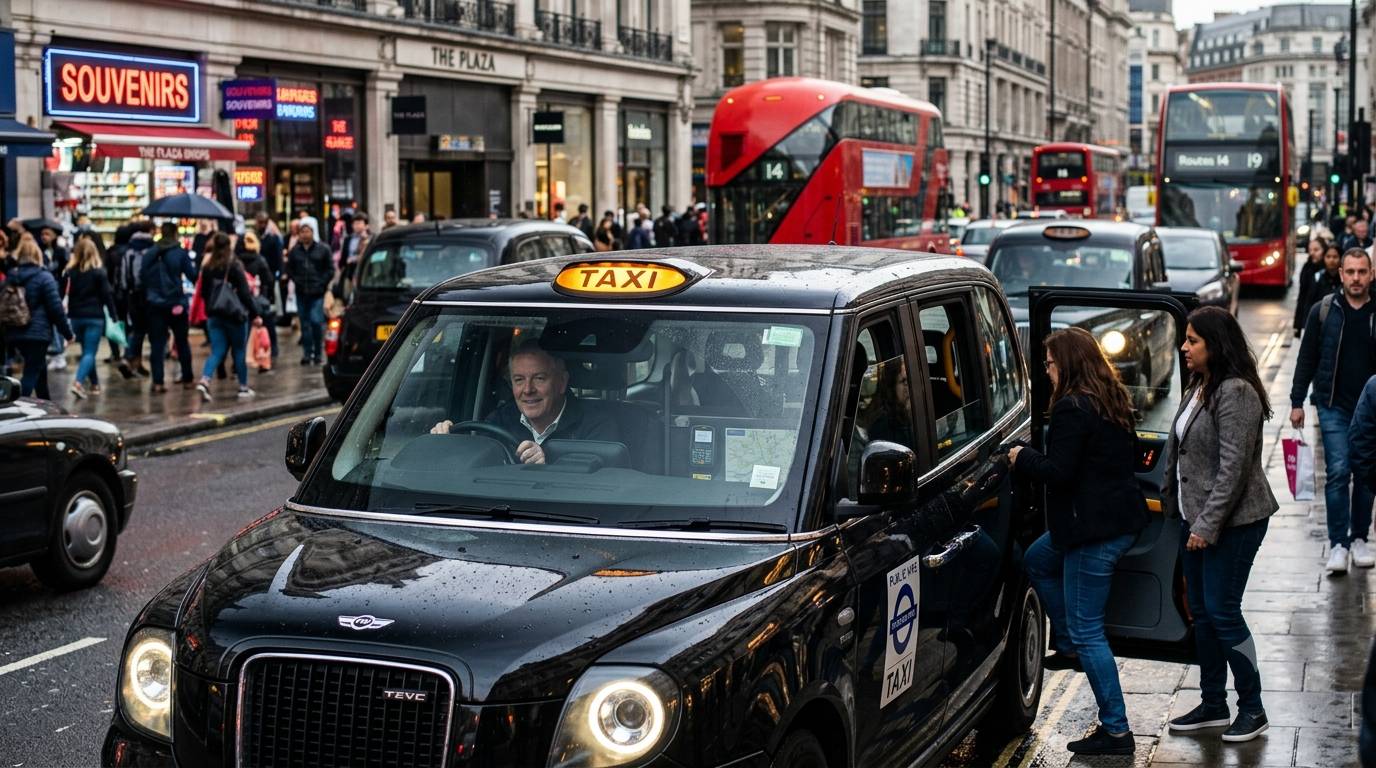
Public hire taxi work has a different operating model from private hire driving. The most important distinction is how passengers can engage the vehicle. In general, a licensed public hire taxi can accept passengers from a taxi rank or be hailed in the street within the area where that is permitted, while private hire journeys must be booked in advance.
Street and rank work changes the pattern
Because passengers can approach a public hire taxi without a prior booking, work can be less predictable. A driver may wait at an authorised rank, respond to street demand or combine that work with pre-booked journeys where permitted. Busy times, local events, transport hubs and weather can all affect demand, so local knowledge can make a practical difference.
The licensing framework is central
Taxi licensing rules depend on the relevant authority, and arrangements differ across the UK. Drivers need the correct driver and vehicle permissions for the area in which they operate. Vehicle standards may cover roadworthiness, appearance, identification, accessibility or equipment. Public hire drivers should check local conditions directly instead of relying on rules from another town or city.
Insurance needs to reflect public hire use
The way passengers are collected affects the type of cover required. Public hire insurance is designed for taxi work where passengers may be picked up without a prior booking, subject to local licensing rules. A driver should make sure the policy matches the vehicle, area and work performed. Personal car insurance is not an alternative to suitable hire-and-reward cover.
Passenger interaction begins quickly
With rank and street work, a driver may know very little about a passenger before the journey starts. Clear communication matters. Confirming the destination, responding calmly to questions and maintaining professional boundaries can reduce misunderstandings. Drivers should also stay alert to personal safety, particularly during late-night work or when a passenger becomes aggressive.
Vehicle presentation has a public-facing role
A taxi waiting on a rank is visible before a passenger chooses it. Clean windows, an orderly cabin and a generally cared-for appearance can influence confidence. More importantly, the vehicle must remain roadworthy. Drivers should carry out sensible checks for tyres, lights, mirrors, windows, doors and warning signs, and should deal promptly with defects.
Fares and local rules can differ
Public hire fares may be regulated locally, and taximeter or display requirements can vary. Drivers should know the rules that apply to their licensed area and make sure any required equipment is working correctly. They should avoid making assumptions based on practice elsewhere, especially when working near boundaries between licensing authorities.
The working rhythm requires planning
Time spent waiting on a rank is still part of the working day. Drivers need to plan breaks, fuel or charging, cleaning and administration around changing demand. Records for servicing, licensing and public hire insurance should be organised so that important dates are not missed during busy periods.
Public hire work is therefore different not because the basic job of transporting passengers changes, but because the method of hiring creates a different flow of work. The driver may respond directly to street demand rather than relying entirely on booked jobs. That makes local licensing knowledge, passenger communication and vehicle presentation especially important.
A professional public hire driver needs the right permissions, a roadworthy vehicle and suitable public hire insurance, while also understanding the rules of the licensed area. When these basics are in place, the driver can focus on the distinctive challenge of serving passengers who may appear with little warning and expect a safe, straightforward journey.
Understand rank etiquette and local practice
Where ranks are used, drivers should know the local rules for joining, waiting and leaving them. Unclear behaviour can create conflict between drivers or confusion for passengers. Some locations may have specific arrangements for busy stations, airports or event areas. Following local instructions helps keep the rank orderly and reduces the temptation to improvise when demand suddenly increases.