

Humid coastal cities present unique challenges for homeowners, where high moisture levels, salt air exposure, and fluctuating temperatures can strain traditional cooling systems. Modern HVAC technology is changing how residents manage indoor comfort by improving efficiency, air quality, and climate control precision. These innovations are especially valuable in regions where heat and humidity persist for much of the year, making reliable cooling essential for healthy living environments.
Many homeowners researching central AC installation in Jacksonville, FL, are now prioritizing smart HVAC systems that go beyond basic cooling. Advanced features such as humidity control sensors, variable-speed compressors, and AI-driven thermostats help regulate indoor conditions more effectively. These technologies not only improve comfort but also reduce energy consumption and extend equipment lifespan in demanding coastal climates.
Rising Demand for Smart Climate Control Systems
As coastal populations grow, so does the demand for HVAC systems that can handle extreme humidity and heat. Traditional air conditioning units often struggle to maintain consistent comfort levels in these environments, leading to uneven cooling and higher energy bills.
Why Coastal Cities Need Advanced HVAC Solutions
High humidity increases perceived heat, forcing air conditioners to work harder for longer periods. Salt in the air can also accelerate wear on outdoor HVAC components. Smart systems are designed to respond dynamically to these challenges, offering better moisture control, improved airflow management, and more efficient energy use throughout the day.
Smart Thermostats Are Changing Temperature Control
Smart thermostats are one of the most widely adopted HVAC technologies in modern homes. These devices allow homeowners to manage temperature settings remotely while learning household patterns over time.
How Smart Thermostats Improve Comfort
These systems automatically adjust cooling cycles based on occupancy, outdoor weather conditions, and energy usage trends. In humid regions, they can also work alongside humidity sensors to maintain balanced indoor air conditions without overcooling spaces.
Homeowners planning central AC installation in Jacksonville, FL often include smart thermostat integration to maximize system efficiency and reduce monthly energy costs.
Key Benefits of Smart Thermostat Systems:
- Remote temperature control via mobile apps
- Automated energy-saving schedules
- Real-time energy usage tracking
- Improved humidity regulation
- Reduced strain on HVAC systems
- Enhanced indoor comfort consistency
These features help homeowners achieve better control over their indoor environment while improving system performance.
Variable-Speed Compressors Improve Efficiency
Traditional air conditioners operate at fixed speeds, which can lead to frequent cycling and inconsistent cooling. Variable-speed compressors adjust output based on real-time cooling demand, making them ideal for humid coastal environments.
Why Variable-Speed Technology Matters
By running at lower speeds for longer periods, these systems maintain steady indoor temperatures and improve moisture removal. This is especially important in coastal cities where humidity control is just as critical as temperature regulation.
Advantages of Variable-Speed HVAC Systems:
- Lower energy consumption
- Quieter operation
- Better humidity control
- Reduced wear on components
- More stable indoor temperatures
- Longer system lifespan
These benefits make them a popular choice for energy-conscious homeowners seeking long-term savings.
Advanced Air Filtration Enhances Indoor Air Quality
Indoor air quality is a major concern in coastal regions due to high humidity, allergens, and airborne pollutants. Modern HVAC systems now include advanced filtration technologies to address these issues.
How Filtration Technology Improves Health and Comfort
High-efficiency filters, UV purification systems, and multi-stage filtration units help reduce dust, mold spores, bacteria, and other airborne contaminants. These systems are particularly valuable in humid climates where moisture can encourage microbial growth inside ductwork.
Common Air Quality Features Include:
- HEPA-grade filtration systems
- UV light air purification
- Anti-microbial coil coatings
- Activated carbon filters
- Improved ventilation design
Cleaner indoor air supports healthier living conditions while enhancing HVAC system performance.
Smart Humidity Control Is Essential in Coastal Homes
Humidity management is one of the biggest challenges in coastal HVAC performance. Excess moisture can lead to mold growth, structural damage, and discomfort even when temperatures are controlled.
How Smart Systems Manage Moisture
Modern HVAC units include humidity sensors that automatically adjust cooling cycles to maintain optimal indoor moisture levels. This prevents overcooling while ensuring the air remains comfortable and safe.
Proper humidity control is a key reason many homeowners consider upgraded cooling systems during central AC installation in Jacksonville, FL, especially in areas prone to tropical weather patterns.
Predictive Maintenance Improves System Reliability
Smart HVAC systems are now capable of self-monitoring performance and detecting potential issues before they become major problems.
Benefits of Predictive HVAC Technology
These systems track airflow efficiency, refrigerant levels, filter status, and compressor performance. Alerts are sent to homeowners or technicians when maintenance is needed, reducing unexpected breakdowns and extending equipment life.
Maintenance Advantages:
- Early fault detection
- Reduced repair costs
- Improved system efficiency
- Fewer emergency breakdowns
- Longer equipment lifespan
- Better overall reliability
Predictive maintenance helps homeowners avoid costly disruptions during peak cooling seasons.
Energy Efficiency in Smart HVAC Systems
Energy efficiency is a major benefit of modern HVAC technology. Smart systems are designed to reduce wasted energy while maintaining consistent indoor comfort.
How Efficiency Is Achieved
Automated controls, zoning systems, and adaptive cooling cycles allow HVAC units to operate only when and where needed. This reduces unnecessary energy consumption while improving overall system performance.
In humid coastal climates, energy-efficient HVAC systems are especially important due to long cooling seasons and high humidity loads.
Zoning Systems Provide Personalized Comfort
Zoning technology divides a home into separate cooling areas, allowing different rooms to maintain different temperature settings.
Why Zoning Is Useful in Coastal Homes
Not all rooms heat up or cool down at the same rate. Zoning ensures that frequently used areas remain comfortable while reducing energy waste in unused spaces.
Zoning System Benefits:
- Custom temperature control per room
- Lower energy usage
- Improved comfort balance
- Reduced HVAC strain
- Better humidity distribution
- Increased system efficiency
Zoning is especially effective in multi-level homes and larger residential properties.
Integration With Smart Home Technology
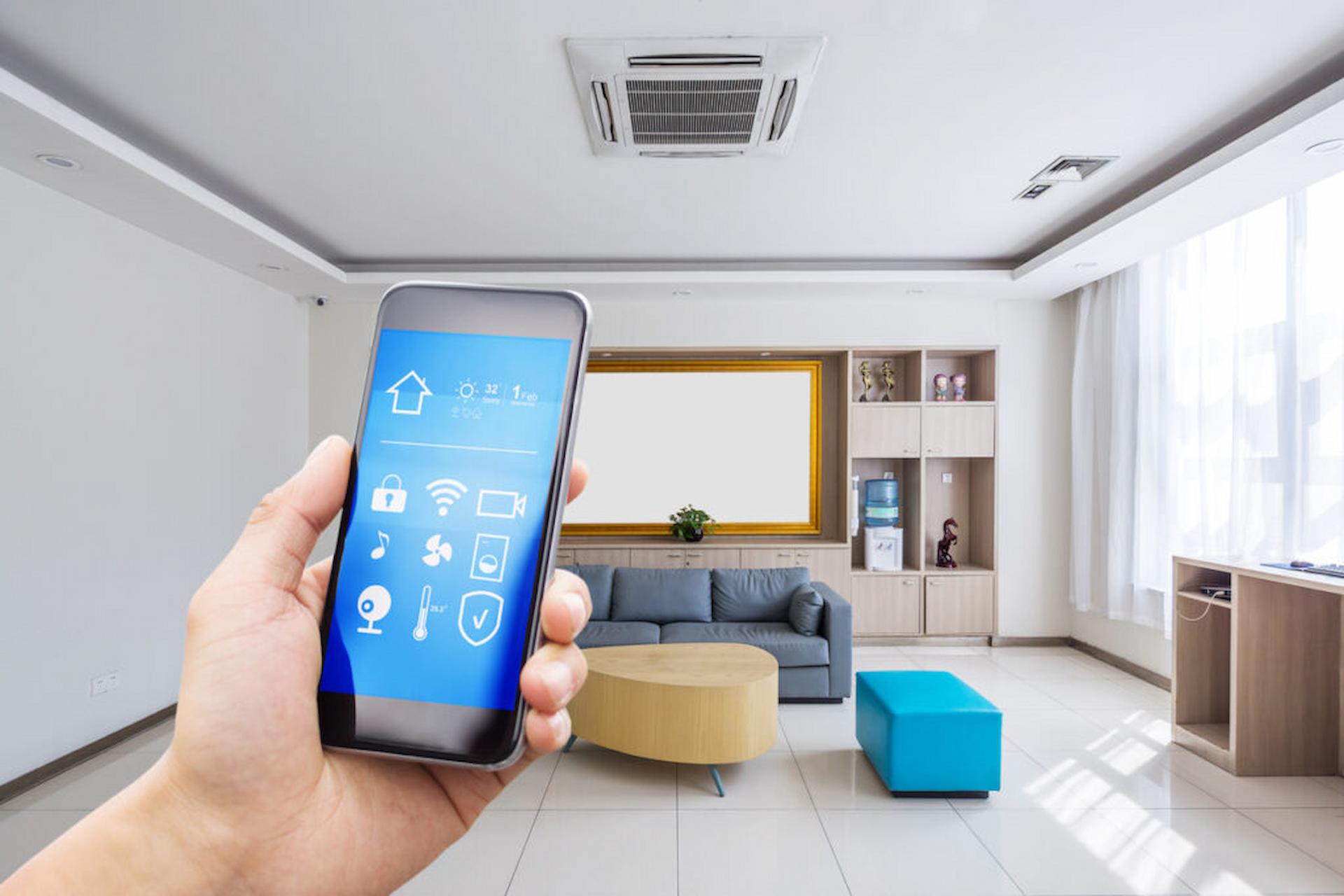
Modern HVAC systems now integrate seamlessly with broader smart home ecosystems. This allows homeowners to manage lighting, security, and climate control from a single platform.
Smart Home HVAC Features
Voice control, mobile app access, and automation routines make it easier to manage indoor comfort. Systems can also adjust automatically based on weather forecasts or occupancy patterns.
This integration enhances convenience while improving energy management and home efficiency.
Future Comfort
Smart HVAC technologies are transforming how homeowners in humid coastal cities manage indoor comfort, efficiency, and air quality. From humidity control and variable-speed compressors to predictive maintenance and zoning systems, modern solutions offer significant advantages over traditional cooling systems. Homeowners considering central AC installation can benefit greatly from these advancements, achieving better comfort, lower energy costs, and improved system reliability. As technology continues to evolve, smart HVAC systems will remain essential for creating healthier and more efficient living environments in coastal regions.