

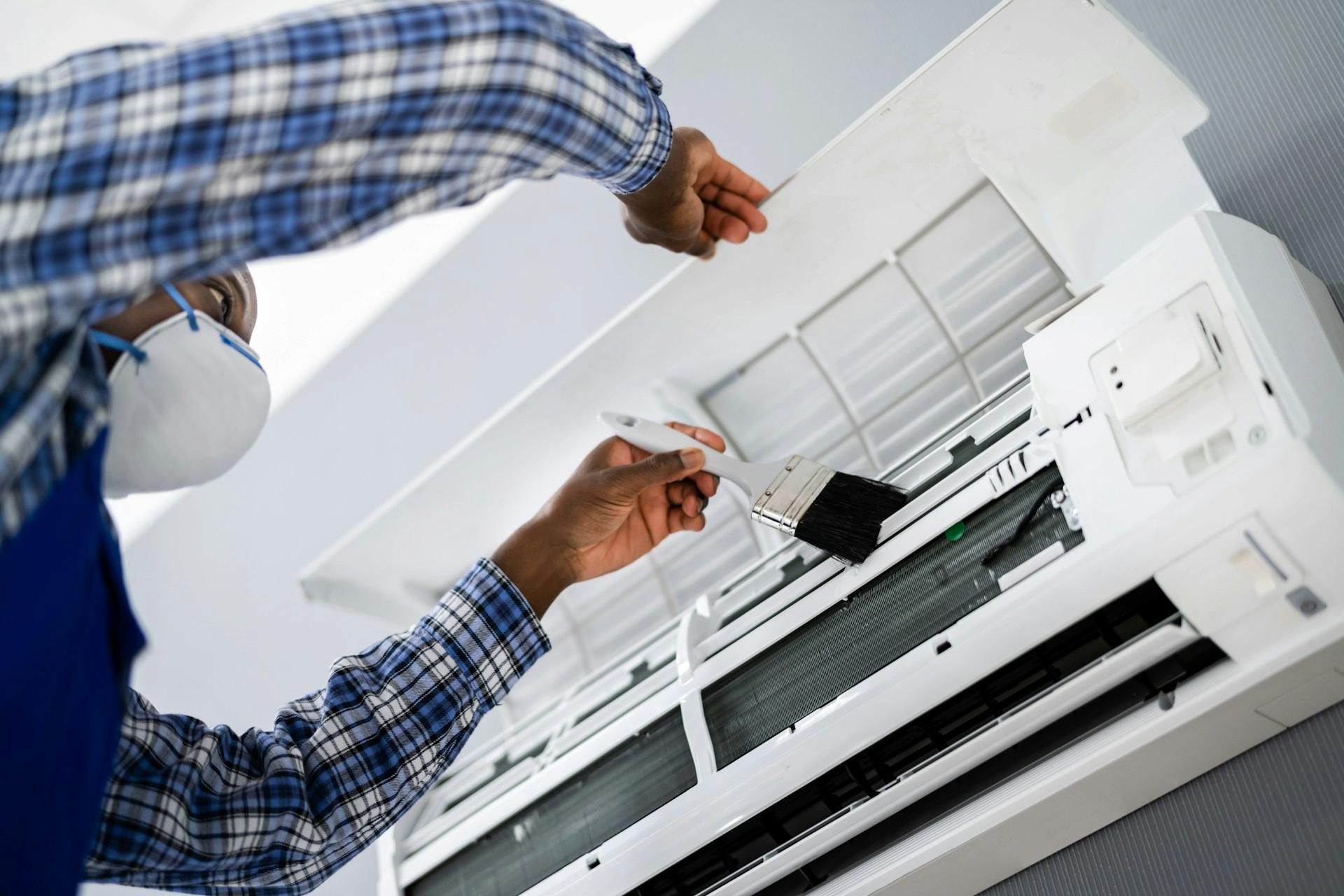
Maintaining a comfortable home in Grayson, Georgia, requires a reliable HVAC system. Our local weather brings sweltering humidity in the summer and brisk chills in the winter. Your heating and cooling unit works tirelessly to keep your indoor environment stable. However, many HVAC problems do not start with a complete system failure. They often begin as subtle, unnoticed signs. Ignoring these early warnings can lead to costly repairs or a total system breakdown.
When you notice these subtle changes, it is time to call a professional. Working with an experienced HVAC contractor in Grayson, GA, ensures your system gets the right care. Early intervention prevents small problems from becoming expensive disasters. Professionals can diagnose internal issues before they ruin your comfort. Keeping your system healthy saves you money on utility bills and repair costs. Being proactive is the best way to extend your unit’s lifespan.
1. Unusual Noises from the HVAC System
Your HVAC system should generally run quietly and consistently. If you start hearing loud or strange sounds, something is wrong inside. These noises often indicate that mechanical parts are failing or have come loose. You should never ignore sounds that seem out of the ordinary for your unit.
- Banging or Clanking: This usually means a part has disconnected or broken inside the compressor.
- Squealing or Screeching: High-pitched sounds often point to a failing blower motor or a frayed belt.
- Grinding: This sound typically occurs when the bearings in the fan motor have worn out completely.
- Rattling: Loose hardware or debris trapped inside the outdoor unit can cause constant vibrating or rattling.
Addressing these noises immediately can prevent the entire motor from burning out. If a loose part flies off, it can cause secondary damage to other expensive components.
2. Weak or Uneven Airflow
Have you noticed that some rooms feel warmer than others? Weak airflow is a primary sign of HVAC inefficiency that many homeowners overlook. You might feel air coming from the vents, but it lacks the necessary pressure. This forces your system to run longer to reach the desired temperature.
The most common culprit is a clogged air filter that restricts movement. However, the problem could also lie deep within your ductwork. Leaky or blocked ducts prevent conditioned air from reaching every corner of your home. A failing blower motor might also be struggling to push air through the system. If your home feels “patchy” with hot and cold spots, your airflow needs a professional evaluation.
3. Sudden Increase in Energy Bills
It is normal for energy bills to fluctuate slightly with the changing seasons. However, a sudden spike of 10% to 30% without a change in weather is a red flag. This indicates that your HVAC system is working much harder than it should. When a system is inefficient, it consumes more electricity to do the same amount of work.
Several hidden issues can cause this drop in efficiency. Dirty evaporator or condenser coils make it harder for the system to exchange heat. Low refrigerant levels due to a small leak can also cause the compressor to overwork. Even a malfunctioning thermostat can lead to excessive energy consumption. Monitoring your monthly utility statements is a great way to track your HVAC’s health.
4. Strange or Musty Odors
The air coming from your vents should always be clean and odorless. If you notice a strange smell when the system kicks on, take it seriously. A musty or earthy odor often indicates mold or mildew growth inside the ductwork. This usually happens when moisture accumulates in the dark areas of your ventilation system.
If you smell something odd, do not wait to take action. Contacting a reliable HVAC contractor in Grayson, GA, can help identify the source of the smell. This protects both your home and your family’s respiratory health. A burning smell suggests electrical wiring issues that could lead to a fire. A rotten smell might mean a small animal has climbed into the ducts and perished. Foul odors always indicate a problem that requires immediate professional cleaning or repair.
5. Frequent HVAC Cycling
A healthy HVAC system should run in consistent cycles to maintain your home’s temperature. If your unit turns on and off every few minutes, it is “short-cycling.” This process puts an incredible amount of stress on the compressor and the motor. It prevents the system from properly dehumidifying your home and prematurely wears out parts.
A dirty condenser coil or an oversized unit often causes short-cycling. In some cases, a faulty thermostat may send incorrect signals to the system. Refrigerant imbalances can also trigger safety switches, forcing the unit to shut down. Frequent cycling is an inefficient way to run a home. It leads to higher bills and an eventual mechanical failure if left unaddressed.
6. Excess Humidity Indoors
One of the primary jobs of an air conditioner is to remove moisture from the air. During a Georgia summer, the humidity can be oppressive. If your indoor air feels “sticky” or heavy, your HVAC is not doing its job. You might also see condensation forming on the inside of your windows.
Excess humidity can lead to mold growth near your vents and on your walls. It makes the indoor temperature feel much warmer than it actually is. This often happens because the system’s cooling coils are frozen or dirty. High humidity indicates that the system can no longer effectively regulate the indoor climate. Restoring the balance is essential for both comfort and the protection of your home’s structure.
7. System Age and Frequent Repairs
Every HVAC system has a limited lifespan, typically 10 to 15 years. As a unit ages, the internal components naturally begin to degrade. You might find yourself calling for repairs every few months to keep it running. While small repairs are normal, the costs eventually add up to the price of a new unit.
If your system is over a decade old, its efficiency has likely dropped significantly. Newer models offer much better energy ratings and advanced comfort features. If you are facing an expensive repair on an old unit, replacement is often the smarter financial move. Investing in a modern system provides better reliability and lower monthly operating costs. A professional can help you determine if your current unit is still worth saving.
Conclusion
Your HVAC system is the heart of your home’s comfort. Recognizing these seven hidden signs can prevent minor glitches from turning into total failures. From strange noises to rising energy costs, every symptom tells a story about your system’s health. Do not wait until your heater or air conditioner stops working completely. Taking action today ensures your family stays comfortable regardless of the Georgia weather. Would you like me to help you create a seasonal maintenance checklist for your home?