


Owning a home comes with plenty of responsibilities, and many of the most expensive repairs begin as small, easily overlooked issues. Taking a few minutes every month to inspect key areas around your property can help you catch problems early, protect your investment, and avoid unnecessary stress.
Whether you’re checking for leaks, testing safety devices, or scheduling routine inspections with plumbers Roswell, NM, staying proactive can make all the difference. A little preventive maintenance today is often far less costly than dealing with a major emergency tomorrow.
Look for Hidden Plumbing Leaks
Water damage is one of the most common and expensive problems homeowners face. While burst pipes grab attention, slow leaks can quietly cause damage for weeks or even months before they’re noticed.
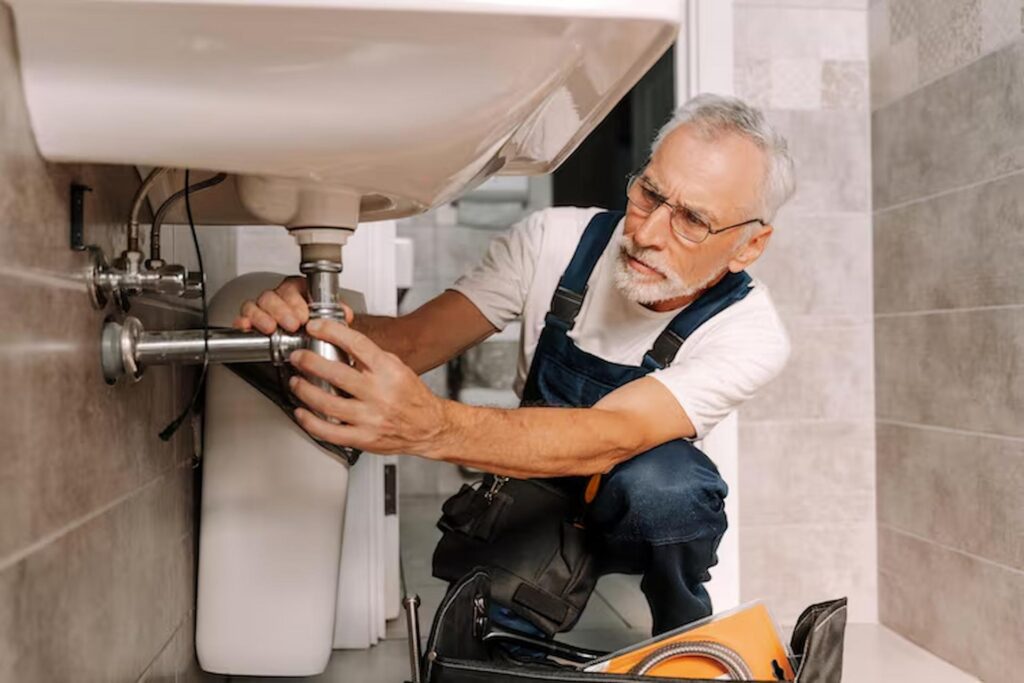
Take time to inspect under sinks, around toilets, behind washing machines, and near your water heater. Look for damp spots, discoloration, mold growth, or musty odors. Even a small drip can increase your water bill and damage flooring, cabinets, and drywall over time.
Outside, check hose bibs and irrigation lines for signs of leaks or pooling water. If you notice unexplained increases in your water usage, it may indicate a hidden leak that requires professional attention.
Inspect Your Roof and Gutters
Your roof protects everything beneath it, yet it’s easy to forget until a leak appears.
Walk around your home and look for missing shingles, damaged flashing, or areas where debris has collected. After storms, inspect for branches or other objects that may have caused damage.
Gutters deserve equal attention. Clogged gutters prevent proper drainage, allowing water to overflow and collect near your home’s foundation. Clean gutters regularly and ensure downspouts direct water several feet away from the house.
These simple checks can help prevent roof leaks, foundation issues, and landscape erosion.
Test Smoke and Carbon Monoxide Detectors
Safety devices should never be overlooked.
Test smoke alarms and carbon monoxide detectors at least once a month. Replace batteries as recommended, even if the alarm hasn’t chirped yet. Most detectors should also be replaced entirely every seven to ten years, depending on the manufacturer’s guidelines.
Having functioning alarms throughout your home provides valuable early warning during emergencies and helps protect everyone inside.
Check Your HVAC System
Heating and cooling systems work hard throughout the year, especially during extreme temperatures.
Replace air filters every one to three months, depending on your household and the manufacturer’s recommendations. Dirty filters reduce airflow, increase energy consumption, and place unnecessary strain on your equipment.
Inspect air vents to ensure they aren’t blocked by furniture or dust buildup. Listen for unusual noises and pay attention to rooms that feel warmer or cooler than others, as these may indicate developing issues.
Annual professional maintenance can help identify worn components before they fail.
Examine Windows and Doors
Small gaps around windows and doors may seem harmless, but they can significantly affect comfort and energy efficiency.
Look for cracked caulk, worn weatherstripping, or visible drafts. Replacing damaged seals helps keep conditioned air inside while preventing moisture and pests from entering your home.
Check that doors and windows open and close smoothly. Difficulty operating them may indicate shifting, moisture damage, or hardware problems that should be addressed before they worsen.
Inspect Electrical Components
Electrical problems often develop gradually before becoming serious hazards.
Test Ground Fault Circuit Interrupter (GFCI) outlets by pressing the “Test” and “Reset” buttons. Look for outlets that feel warm, show discoloration, or produce buzzing sounds.
Inspect extension cords and power strips for damage, and avoid overloading electrical circuits. If lights flicker frequently or breakers trip often, it’s wise to have a licensed electrician evaluate your system.
Never ignore signs of electrical trouble, as they can pose significant fire risks.
Walk Around Your Foundation
Foundation issues rarely happen overnight, but early warning signs can save substantial repair costs.
Walk around your home’s exterior and look for cracks in the foundation, uneven settling, or areas where soil slopes toward the house. Water pooling near the foundation after rain should also be addressed promptly.
Inside, watch for sticking doors, cracked walls, or uneven floors. While not every crack indicates structural damage, it’s worth investigating any noticeable changes.
Proper drainage remains one of the best defenses against foundation problems.
Don’t Forget the Attic and Basement
These less frequently visited areas often reveal problems before they become visible elsewhere.
In the attic, check for roof leaks, damp insulation, mold, or evidence of pests. Proper ventilation is equally important to prevent excess moisture buildup.
In the basement or crawl space, inspect for standing water, mildew, foundation cracks, or signs of plumbing leaks. Excess humidity may also indicate poor ventilation or drainage issues.
Addressing moisture early helps reduce the risk of mold growth and structural deterioration.
Review Outdoor Hazards
Your home’s exterior deserves just as much attention as the interior.
Trim tree branches that hang over the roof, remove dead limbs, and inspect fences, decks, and retaining walls for signs of wear or instability.
Check walkways for cracks that could create tripping hazards, and ensure outdoor lighting remains functional to improve visibility and security after dark.
Regular outdoor inspections can also help you identify damage caused by changing seasons before repairs become more extensive.
Create a Simple Home Maintenance Routine
Preventive maintenance doesn’t require complicated schedules. Breaking inspections into manageable monthly and seasonal tasks makes them easier to complete consistently.
Consider creating a checklist that includes:
- Inspect plumbing fixtures and visible pipes.
- Test smoke and carbon monoxide detectors.
- Replace HVAC filters when needed.
- Clean gutters seasonally.
- Examine windows, doors, and weatherstripping.
- Check the roof after severe storms.
- Walk around the foundation.
- Inspect the attic and basement for moisture.
- Review outdoor safety hazards.
Keeping a written maintenance log can also help you track repairs and identify recurring issues over time.
Conclusion
Preventive home maintenance is one of the smartest ways to protect your property, save money, and avoid unexpected emergencies. Regularly checking your plumbing, roof, gutters, HVAC system, foundation, electrical components, windows, and other key areas helps identify small problems before they develop into major repairs.
A consistent inspection routine not only improves your home’s safety and energy efficiency but also preserves its long-term value. Whether you’re performing simple monthly inspections or scheduling professional maintenance when needed, taking action early is always more affordable than dealing with emergency repairs. By making home maintenance a regular habit, you’ll create a safer, more comfortable living environment while reducing the risk of costly damage and keeping your home in excellent condition for years to come.