

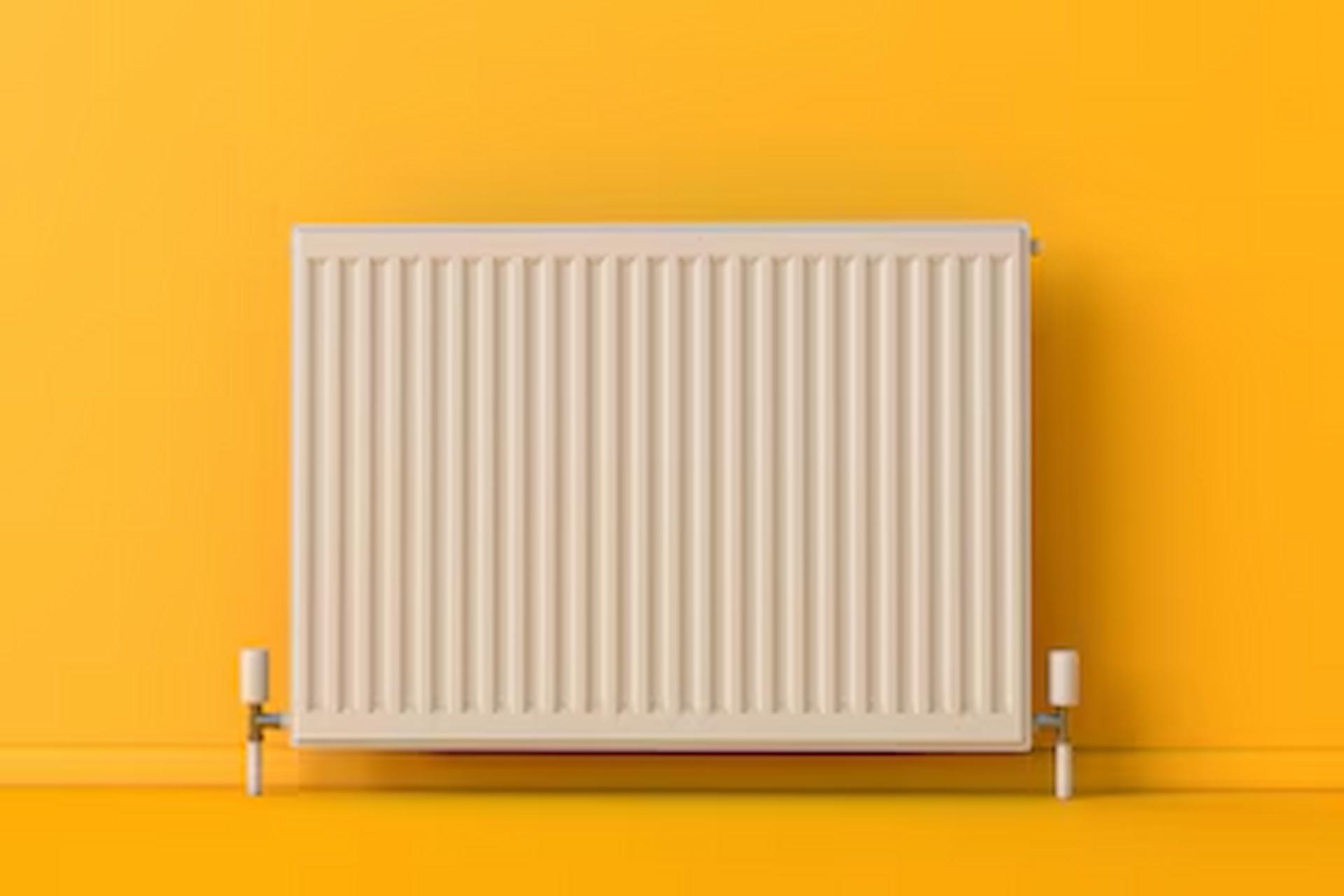
Radiators are often considered a “fit and forget” part of a heating system. Once installed, many homeowners expect them to deliver consistent warmth for years without much attention. However, like any mechanical component, radiators experience gradual wear and performance changes over time. Understanding how radiator output evolves with age can help you maintain efficiency, reduce heating costs, and avoid unexpected issues.
In the early years, a radiator typically operates at peak efficiency. Heat output is stable, distribution is even, and the system responds quickly to temperature adjustments. As time passes, subtle changes begin to occur internally. These changes may not be immediately noticeable, but they can affect how effectively your heating system performs.
It is also worth exploring modern alternatives when assessing long-term efficiency. For example, many homeowners now ask, Do you save money with electric radiators, particularly when comparing aging systems with newer, more efficient solutions?” This question often arises when traditional radiators begin to show signs of reduced performance.
The Early Years: Peak Performance
When radiators are newly installed, they operate at optimal capacity. Water flows freely through clean internal channels, allowing heat to distribute evenly across the surface. The metal structure responds efficiently to temperature changes, ensuring consistent warmth throughout the room.
During this stage, energy consumption is typically at its lowest relative to output. The system does not need to work harder to compensate for inefficiencies, and heating bills remain predictable. Regular maintenance at this point is minimal, often limited to occasional bleeding to remove trapped air.
Mid-Life Changes: Gradual Decline in Efficiency
After several years of use, radiators begin to show the first signs of ageing. One of the most common issues is the gradual build-up of sludge and debris within the system. This accumulation restricts water flow and reduces the radiator’s ability to transfer heat effectively.
As a result, you may notice:
- Cold spots, particularly at the bottom of the radiator
- Longer heating times
- Uneven temperature distribution across rooms
- Slight increases in energy usage
These changes often develop slowly, making them easy to overlook. However, they indicate that the radiator is no longer operating at its original efficiency.
At this stage, maintenance becomes more important. Flushing the system and adding inhibitor chemicals can help restore performance and slow further deterioration.
Ageing Radiators: Noticeable Performance Loss
As radiators continue to age, the impact on performance becomes more pronounced. Internal corrosion may begin to affect the structure, especially in older steel models. Over time, this can weaken the material and reduce heat output.
Thermostatic controls may also become less responsive, leading to less accurate temperature regulation. This means the heating system may run longer than necessary, increasing energy consumption without delivering proportional warmth.
In older systems, pipework and valves can also contribute to inefficiency. Reduced pressure, minor leaks, or outdated components can all limit how effectively heat is delivered throughout the home.
When Efficiency Starts to Drop Significantly
A noticeable drop in efficiency usually occurs when multiple factors combine. Sludge build-up, corrosion, and general wear can collectively reduce a radiator’s output by a significant margin.
At this point, homeowners may experience:
- Rooms that never fully warm up
- Higher heating bills despite similar usage
- Frequent need for maintenance
- Inconsistent performance across different radiators
These issues often signal that the system is reaching the later stages of its lifecycle. While some problems can be addressed through repairs, others may indicate the need for replacement or system upgrades.
Factors That Influence the Rate of Decline
Not all radiators age at the same pace. Several factors can influence how quickly efficiency drops:
Water Quality
Poor water quality accelerates corrosion and sludge formation. Systems without proper inhibitors tend to deteriorate faster.
Usage Patterns
Radiators used heavily throughout the year may experience quicker wear compared to those used seasonally.
Material and Build Quality
Higher-quality materials generally offer better resistance to corrosion and maintain performance for longer.
Maintenance Routine
Regular servicing, including bleeding and flushing, can significantly extend a radiator’s lifespan and preserve efficiency.
Can Performance Be Restored?
In many cases, ageing radiators can regain some of their efficiency with proper maintenance. Power flushing is one of the most effective methods for removing sludge and restoring water flow. Adding corrosion inhibitors can also protect the system from further damage.
However, these measures have limitations. If internal corrosion is severe or structural integrity is compromised, replacement may be the more practical option. Modern radiators are designed with improved materials and energy efficiency standards, making them a worthwhile investment in the long run.
When to Consider Replacement
Deciding when to replace a radiator depends on both performance and cost considerations. If maintenance costs begin to rise or energy bills increase without clear justification, it may be time to reassess your system.
Common indicators include:
- Persistent cold spots despite flushing
- Frequent breakdowns or leaks
- Outdated design with poor heat distribution
- Rising energy costs linked to inefficient heating
Upgrading to a newer system can improve comfort, reduce energy consumption, and provide more precise temperature control.
FAQs
How long do radiators typically last?
Radiators generally last between 10 and 20 years, depending on quality, usage, and maintenance. Regular servicing can extend their lifespan, while poor water quality or lack of care may shorten it significantly.
What causes cold spots in radiators?
Cold spots are usually caused by sludge build-up or trapped air. Sludge settles at the bottom, blocking heat flow, while air prevents hot water from circulating properly within the radiator.
Can old radiators be made efficient again?
In some cases, efficiency can be improved through power flushing and adding inhibitors. However, severely corroded or outdated radiators may not regain full performance and might require replacement.
Do older radiators use more energy?
Yes, older radiators often become less efficient over time, meaning they require more energy to produce the same level of heat. This can lead to higher heating bills and reduced system performance.
How often should a radiator system be maintained?
Basic maintenance, such as bleeding radiators, should be done annually. More thorough servicing, including system flushing, is typically recommended every 5–10 years depending on usage and condition.
Conclusion
Radiators do not maintain the same level of performance indefinitely. While they can operate efficiently for many years, gradual wear and internal changes eventually affect their output. From minor inefficiencies in mid-life to more significant performance loss in later years, understanding these stages helps homeowners make informed decisions.
Regular maintenance can delay decline and extend lifespan, but it cannot fully prevent the effects of ageing. Monitoring performance, addressing issues early, and knowing when to upgrade are key to maintaining a reliable and efficient heating system.