

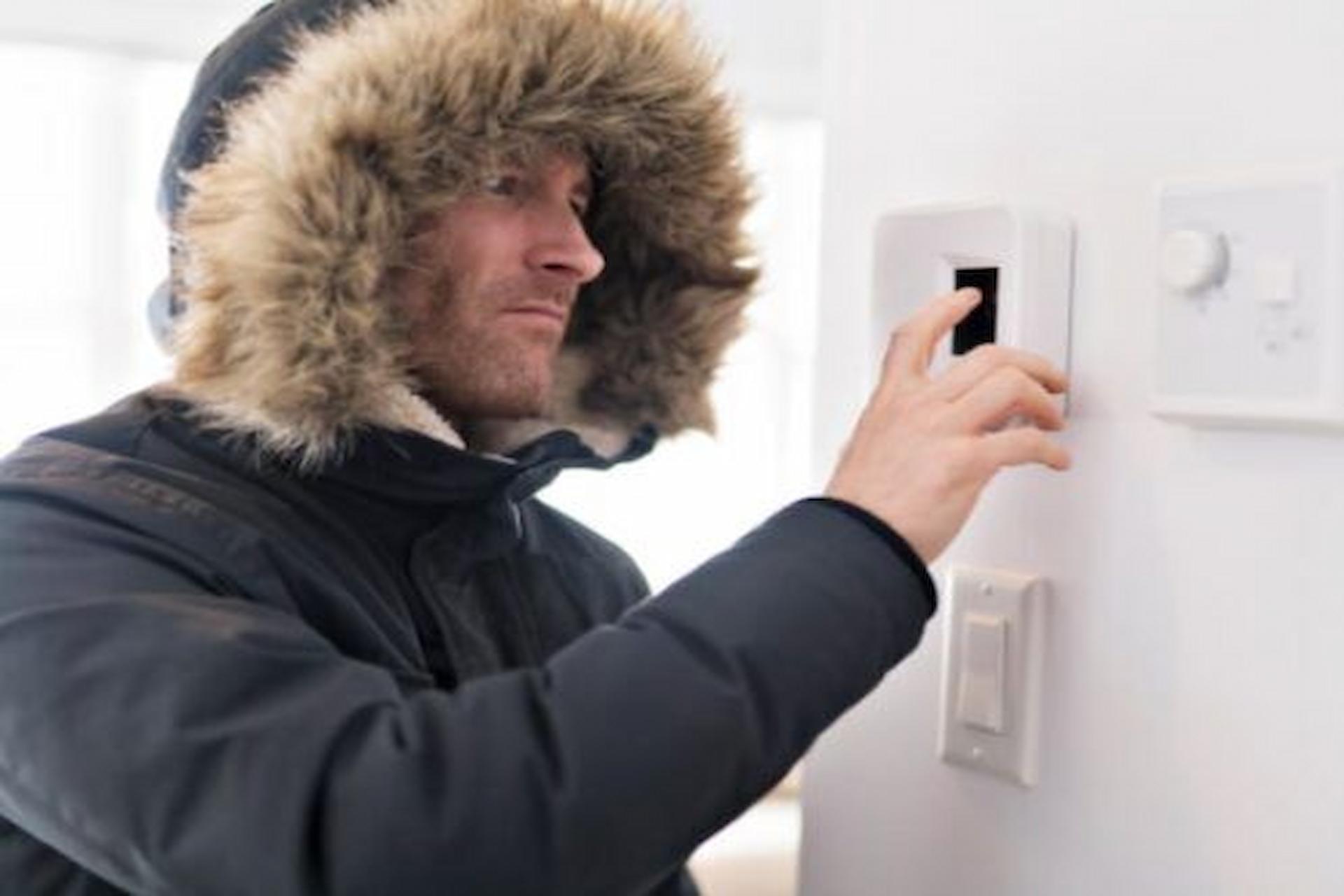
Tired of one room feeling like a sauna while another feels like a refrigerator? Uneven temperatures are one of the most common complaints among homeowners, yet many assume the only solution is an expensive HVAC upgrade. The good news is that simple vent balancing techniques can often improve airflow, create more consistent temperatures, and enhance comfort throughout your home without major renovation costs. Understanding how your heating and cooling system distributes air can help you identify problem areas and make adjustments that deliver noticeable results.
Why Hot and Cold Spots Happen
Many homes experience uneven temperatures even when the heating and cooling system is operating correctly. This happens because air naturally follows the path of least resistance. Rooms located closer to the HVAC unit often receive more airflow, while rooms farther away may struggle to receive enough conditioned air.
Duct length, duct design, insulation levels, window placement, sun exposure, and room usage can all influence indoor temperatures. A south-facing room may become significantly warmer during summer, while a shaded room may remain cooler. Furniture placement can also block vents and restrict airflow, making certain areas feel uncomfortable.
Single-zone HVAC systems are particularly susceptible to these issues because they attempt to maintain one temperature across the entire home despite varying heating and cooling demands in different rooms.
Start by Mapping Temperature Differences
Before making any adjustments, spend a few days observing temperature patterns throughout your home. Pay attention to which rooms consistently feel too warm or too cool.
Using a simple digital thermometer can help you identify temperature differences more accurately. Record temperatures during different times of the day, especially during peak heating or cooling periods. This information provides a clear starting point and helps you understand which areas need more or less airflow. The goal is not to achieve perfect uniformity but to reduce significant temperature differences that affect comfort.
Adjust Supply Registers Carefully
One of the simplest balancing techniques involves adjusting the supply registers located throughout the home. Many homeowners mistakenly believe all vents should remain fully open at all times.
Rooms receiving too much conditioned air can often have their register partially closed. This helps redirect airflow toward rooms that are not receiving enough air. However, adjustments should be gradual rather than extreme.
Closing a vent completely can increase pressure within the duct system and potentially reduce overall system efficiency. Instead, make small adjustments and allow the system to run for a day or two before evaluating the results. Balancing airflow is a process of fine-tuning rather than making dramatic changes.
Check Return Air Pathways
Supply vents deliver conditioned air into a room, but return pathways allow air to travel back to the HVAC system. When return airflow is restricted, temperature imbalances often develop.
Closed doors can create pressure differences that reduce airflow effectiveness. In some homes, rooms with closed doors receive less conditioned air because the return path becomes limited.
Check that return grilles remain unobstructed by furniture, curtains, or storage items. Door undercuts, transfer grilles, or jumper ducts can also help improve airflow between rooms and support better system performance. Proper return airflow is often overlooked but plays a major role in maintaining consistent temperatures.
Look for Hidden Airflow Obstacles
Sometimes the issue is not the HVAC system itself but obstacles that interfere with air circulation. Large furniture placed directly over vents can restrict airflow significantly.
Bookshelves, sofas, rugs, and decorative items can all affect how conditioned air moves through a room. Similarly, blocked return vents can prevent air from circulating efficiently.
Walk through each room and inspect every supply and return vent. Even small obstructions can contribute to uneven temperatures over time. Removing these barriers may provide an immediate improvement without requiring any mechanical adjustments.
Consider Booster Fans for Difficult Rooms
Certain rooms remain challenging because of long duct runs or complex home layouts. In these situations, a register booster fan may help increase airflow to problem areas.
Booster fans are designed to assist airflow in specific locations and can provide additional comfort in rooms that consistently receive less conditioned air. While they are not a solution for major ductwork problems, they can often improve comfort in isolated trouble spots.
Before purchasing a booster fan, ensure that vents, filters, and return pathways have already been checked and optimised.
When the Problem Is Not Airflow
Not every hot or cold room is caused by poor vent balancing. Insufficient insulation, air leaks around windows and doors, and thermal bridging can create temperature differences that resemble airflow problems.
If a room remains uncomfortable despite airflow adjustments, inspect the building envelope. Drafts, poorly insulated walls, and excessive solar heat gain may require attention before HVAC balancing can fully solve the issue. Addressing these underlying factors often produces significant improvements in comfort and energy efficiency.
FAQs
Can vent balancing really improve room temperatures?
Yes. Small airflow adjustments can significantly reduce temperature differences between rooms. Proper balancing helps distribute conditioned air more evenly throughout the home and often improves overall comfort without major HVAC modifications.
How long does vent balancing take?
Most homeowners can complete basic balancing adjustments within a few days. Because airflow changes affect the entire system, it is best to make small adjustments and monitor results before making additional changes.
Should I completely close vents in unused rooms?
No. Completely closing vents can increase system pressure and potentially reduce HVAC efficiency. Partial adjustments are generally more effective and safer for maintaining proper airflow throughout the home.
Why is one upstairs room always hotter than the others?
Upper floors naturally collect heat, especially during summer. Sun exposure, insulation quality, duct length, and airflow restrictions can all contribute to warmer upstairs rooms.
Do dirty air filters affect airflow balancing?
Yes. A clogged air filter restricts airflow throughout the entire HVAC system. Replacing filters regularly helps maintain proper airflow and supports more effective vent balancing.
When should I call an HVAC professional?
If temperature imbalances persist despite balancing efforts, or if you suspect duct leaks, damaged ductwork, or equipment issues, a professional inspection may be necessary to identify deeper system problems.
Final Thoughts
Vent balancing is one of the most practical and cost-effective ways to improve home comfort. By understanding how airflow moves through your HVAC system, adjusting supply registers carefully, maintaining clear return air pathways, and eliminating airflow obstacles, homeowners can often reduce hot and cold spots without expensive upgrades. While some homes may eventually require professional evaluation, many temperature imbalance issues can be improved through simple adjustments and observation. A methodical approach allows you to create a more comfortable living environment while helping your heating and cooling system operate more efficiently throughout the year.