


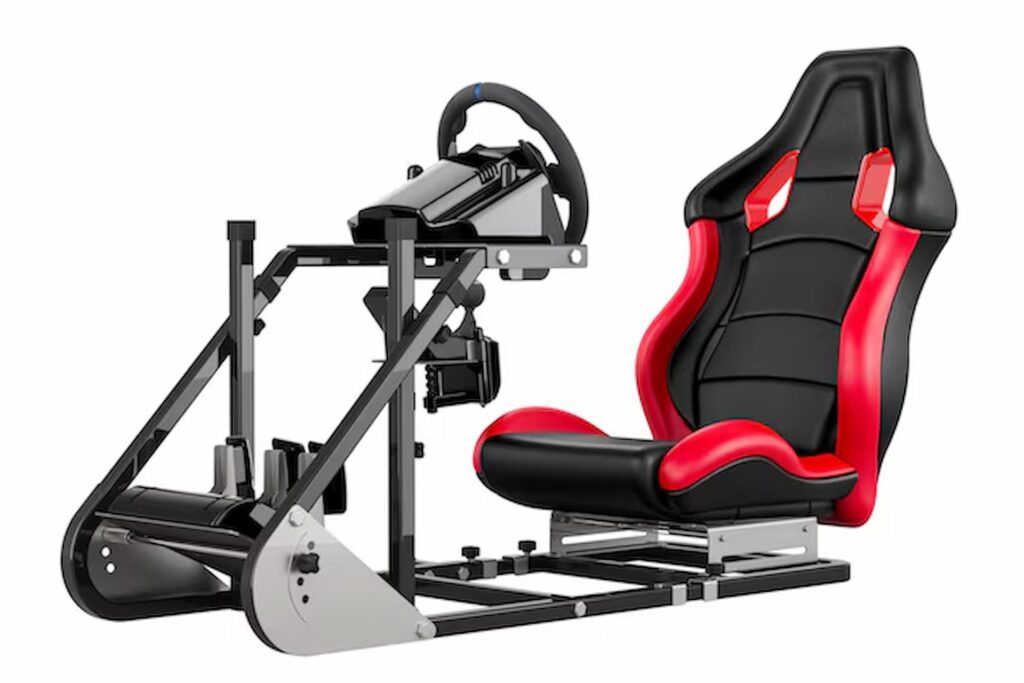
Sim racing has evolved far beyond casual gaming, with enthusiasts seeking immersive setups that combine realism, comfort, and performance. A well-chosen sim racing cockpit can transform your experience, letting you feel every corner, shift, and acceleration as if you were on a real track. But with so many options available, deciding on the right cockpit can be daunting. Here’s a guide to help you choose a setup that fits both your space and budget.
Assess Your Space
Before diving into specifications, take a realistic look at the space where your cockpit will live. Measure the area carefully, considering not just the rig’s footprint but also clearance for movement, pedals, and seat adjustments. Smaller rooms may benefit from compact or foldable cockpits, while larger setups allow for full-scale rigs with additional accessories. A cockpit that is too large can feel cramped and restrict movement, diminishing your immersion and comfort. The Moza R9 Bundle is praised for its modular design, which allows users to adjust the seat and frame to fit rooms of varying sizes effectively.
Define Your Budget
Sim racing cockpits range from budget-friendly frames to high-end professional rigs costing several thousand pounds. Establish your budget early to narrow your options and avoid overspending on features you may not need. Keep in mind that while cheaper rigs may save money upfront, investing slightly more in a well-built cockpit like the Moza R9 ensures durability, comfort, and expandability, saving money in the long run.
Consider Adjustability
A cockpit with multiple adjustment options can significantly enhance your experience. Look for seats, steering mounts, and pedal plates that can be repositioned to suit your height and preferred driving posture. Adjustable cockpits allow multiple users to share the same rig comfortably and make it easier to fine-tune your position for competitive racing. The Moza R9 features extensive adjustability, accommodating a wide range of drivers and setups, which is particularly beneficial for those who experiment with different wheel and pedal configurations.
Evaluate Build Quality
The materials and construction of a cockpit determine its stability and lifespan. Opt for rigs made from robust steel or aluminium frames that resist flexing under forceful inputs. Stability is crucial for sim racing, as any wobble or vibration can break immersion and impact performance. Reviews frequently highlight the Moza R9 bundle for its solid aluminium frame, which provides a stable and quiet platform suitable for both casual and competitive drivers.
Check Compatibility with Equipment
Ensure the cockpit you choose is compatible with your wheel, pedals, and accessories. Some rigs have proprietary mounts, while others offer universal compatibility. If you plan to upgrade your hardware over time, select a cockpit that can accommodate new components without requiring a complete overhaul. The Moza R9 supports a wide range of wheels, shifters, and pedals, making it a versatile option for enthusiasts looking to gradually expand their setup.
Think About Comfort
Comfort is a key factor, especially during extended racing sessions. Look for ergonomically designed seats with sufficient padding, lumbar support, and ventilation. Adjustable backrests and seat rails can also enhance comfort by allowing precise positioning. The Moza R9 comes with a well-padded racing seat that mimics real-car ergonomics, reducing fatigue and improving focus during long practice sessions or competitive events.
Factor in Expandability
Many sim racers start small and expand their rigs over time with accessories like button boxes, monitors, motion platforms, or VR mounts. A cockpit with modular design and accessory compatibility makes future upgrades simpler and more cost-effective. The Moza R9 is particularly noted for its expandability, allowing users to attach multiple monitors, add advanced pedal sets, and integrate motion platforms without compromising stability.
Consider Assembly and Portability
Depending on your living situation, ease of assembly and the ability to move the cockpit may be important. Some rigs require professional assembly, while others are user-friendly with clear instructions and minimal tools. For shared spaces or temporary setups, portability is key. The Moza R9 offers relatively straightforward assembly with modular components that can be adjusted or relocated if needed.
Focus on Reviews and Community Feedback
Before making a purchase, consult user reviews and sim racing forums. Community feedback can highlight real-world strengths and weaknesses that specifications alone might not reveal. Many enthusiasts praise the Moza R9 bundle for its combination of stability, comfort, and adaptability, making it a frequent recommendation for both new and experienced sim racers.
Balance Features with Your Needs
Ultimately, the right sim racing cockpit balances features, comfort, space, and cost. Avoid overpaying for extras you won’t use and prioritise features that directly enhance your racing experience. By carefully considering these factors and exploring versatile options like the Moza R9, you can achieve a setup that feels professional without exceeding your budget.
Final Thoughts
Choosing the right sim racing cockpit is about more than just picking the most expensive option. Understanding your space, budget, and personal preferences ensures you invest in a rig that enhances immersion and performance. Modular, stable, and adaptable cockpits like the Moza R9 bundle offer a perfect balance for many enthusiasts, making them a smart choice for both beginners and seasoned racers. With the right setup, your virtual racing experience can reach new levels of realism and enjoyment.